Secondment is when an employee temporarily transfers to another role or position for a fixed period. This temporary placement is usually within the same organisation, although external secondments—where the employee works with another company—are also common.
The key element of secondment is its temporary nature, typically set for a defined duration. Companies rely on secondments to support project needs, fill skill gaps, or offer employees developmental opportunities. During secondment, the employee normally remains on their original employment contract, with some terms adjusted when necessary.
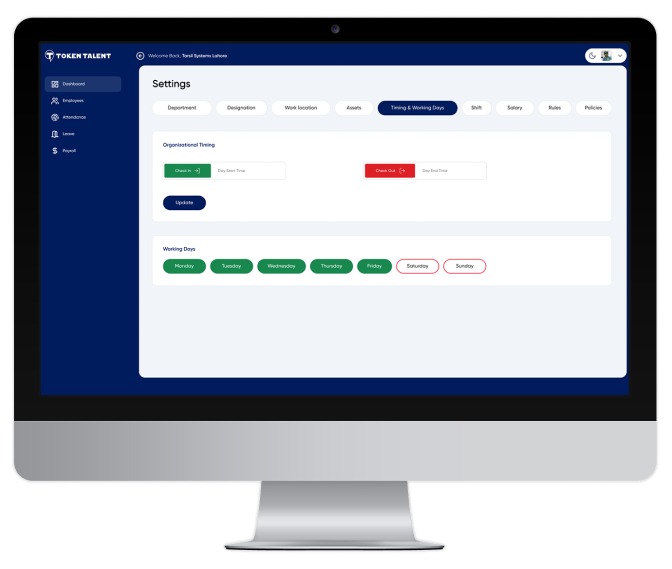
With modern HR tools like Token Talent, managing secondment agreements, documentation, performance tracking, and approvals becomes significantly easier and more transparent.
Why Do Companies Implement Secondment?
Companies introduce secondments for many strategic and operational reasons, such as:
Completing specific projects
Organisations may need additional expertise or manpower to deliver short-term projects.
Transferring skills across departments
Secondment helps share knowledge between teams and improves internal capability.
Managing staffing levels
It allows organisations to adjust workloads during busy periods without permanent hiring.
Increasing employee engagement
Employees gain exposure to new challenges, preventing stagnation.
Companies with frequent secondment opportunities may use structured frameworks, timelines, or internal programs. Platforms like Token Talent support this by streamlining approval workflows and centralising employee data during temporary transfers.
Benefits of Secondment
Secondments provide powerful advantages for both employees and employers:
1. Gaining New Experience
Employees build fresh skills and insights in different areas of the business. When they return, this new expertise enhances their original team’s capability.
2. Career Development
Secondment often acts as a stepping stone for future roles. It forms a practical part of an individual’s career development plan, giving them real-world experience in new functions.
3. Preventing Burnout
A change in environment or responsibilities can refresh employees who feel overwhelmed, offering mental reset and renewed motivation.
4. Sharing Skills
Teams benefit as expertise, best practices, and unique perspectives circulate throughout the organisation.
5. Strengthening Collaboration
Employees build relationships across multiple departments, improving cross-functional communication and cooperation.
6. Boosting Morale
Secondments show employees they are valued and worth investing in. Feeling recognized increases job satisfaction and retention.
7. Supporting Inclusion & Diversity
Secondments make it easier for employees to explore different areas of the business, leveling opportunities for everyone.
Using HR platforms like Token Talent, companies can track development progress, evaluate performance, and ensure fairness across secondment opportunities.
Secondment Process: Step-by-Step
While companies handle secondment differently, an ideal process includes clear documentation, roles, and expectations. Whether internal or external, a transparent workflow reduces confusion.
Here is the typical secondment process:
- Identify the opportunity – A role, project, or skills gap is identified.
- Discuss with the employee – The company and employee explore the suitability of the secondment.
- Negotiate and agree on terms – Duration, responsibilities, compensation, supervision, and expectations are clarified.
- Sign the written agreement – Both employee and employer approve formal documentation.
- Begin the secondment – The employee transitions into the temporary role.
With Token Talent, companies can automate each step—from approval workflows to e-contracts, task delegation, performance tracking, and end-of-secondment evaluations.
What Should a Secondment Agreement Include?
A written secondment contract typically covers:
Employment Relationship
Clarifies who manages the employee—the original employer or the temporary host department.
Compensation
Outlines any changes in pay, allowances, overtime, travel, or location-based adjustments.
Job Description
Specifies the employee’s duties, objectives, KPIs, and any responsibilities retained from the original role.
Leave & Absence Management
Defines who approves leave and how absence reporting will work during the secondment.
Using Token Talent, HR teams can store these agreements, manage attendance and leave policies, and ensure real-time visibility for both the originating and host departments.
Examples of Secondments in the Workplace
Companies can be creative in designing secondment opportunities, such as:
• Project-Based Secondments
Creating cross-functional teams for short-term initiatives.
• Client-Specific Assignments
Temporary placement of employees to support key clients and better understand client needs.
• Filling Skills Gaps
Employees with a specific expertise temporarily support teams lacking that capability.
FAQs About Secondment
1. What does it mean when someone is on secondment?
They are temporarily assigned to a new role, team, or department while still being officially employed in their original position.
2. What does “seconded” mean in a job?
It means the employee has been moved to a temporary role while retaining their original employment contract and salary structure.
3. How does a secondment work?
It varies by organisation. Understanding expectations, KPIs, reporting lines, compensation, and timeline is essential. Tools like Token Talent help remove ambiguity with clear digital documentation and performance monitoring.
4. What are the disadvantages of secondment?
For employees:
- Adjustment challenges
- Uncertainty about duration
- Difficulty reintegrating into the original team
For companies:
- Confusing reporting lines
- Confidentiality and liability issues
- Risk of the employee being hired by the host department
Digital systems like Token Talent help reduce these risks through structured agreements and transparent workflows.
Final Thoughts
Secondment is a powerful tool for developing employees, strengthening collaboration, and keeping organisations agile. When managed properly—especially through HR digital solutions like Token Talent—secondments can significantly boost employee engagement, productivity, and long-term retention.